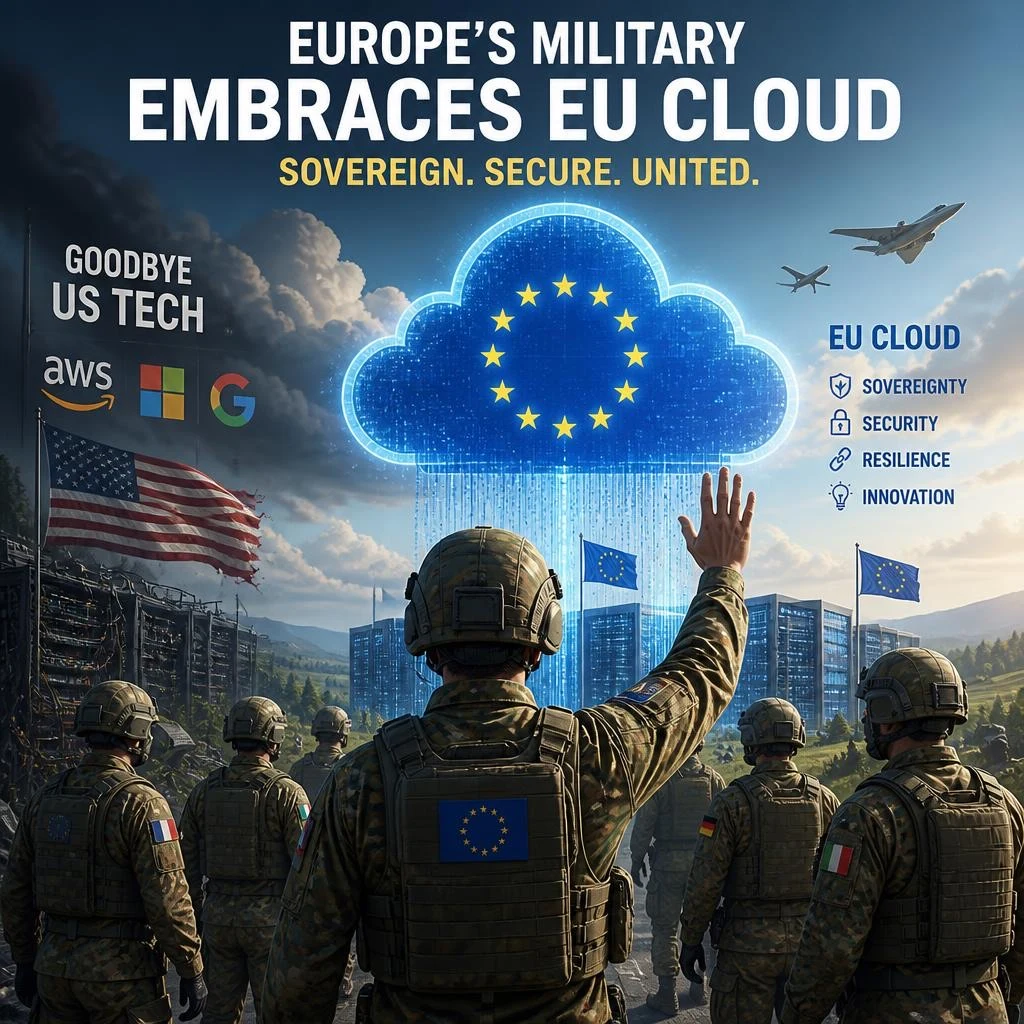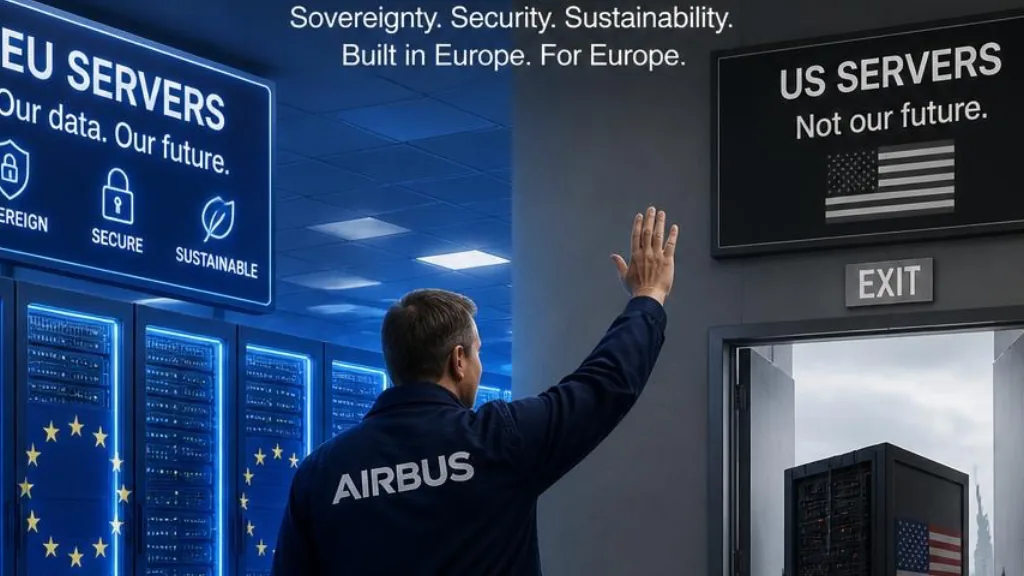
Most of Europe starts the working day by logging into American software. Windows at the desktop, Office 365 for email and documents, American cloud platforms underneath. A political decision in Washington could interrupt all three, and Europe has no answer to that today.
A Continent on Borrowed Code
Europe's digital estate is, in large part, a rental property. The foundational software that powers our SMEs, universities, hospitals, and governments is licensed, not owned. It is subject to US jurisdiction under laws such as the CLOUD Act and ITAR.
This is not about questioning our transatlantic alliance. It is about recognising a fundamental strategic asymmetry: Europe has outsourced the operating layer of its modern economy.
The critical case of the aid sector
Sanctions Paralysis: Aid organisations frequently operate in regions subject to complex sanctions regimes. US technology providers could be forced to abruptly terminate services to NGOs coordinating relief.
Data Sovereignty: Sensitive data on vulnerable populations stored on US cloud platforms is accessible under US law. This violates the core humanitarian principle of "do no harm."
Loss of Operational Independence: A European NGO's ability to make impartial, needs-based decisions could be undermined if its essential digital tools are subject to another country's foreign policy objectives.
A Three-Pillar Plan for Digital Resilience
Pillar 1: The Sovereign Desktop. Create a Humanitarian Digital Sovereignty pilot. Migrate a coalition of European NGOs to sovereign, open-source alternatives. Overhaul procurement rules to prioritise solutions that guarantee continuity regardless of foreign jurisdiction.
Pillar 2: The European Cloud Fortress. Turn the EU Cloud Scheme into a mandatory requirement for processing sensitive data. Create a dedicated humanitarian cloud cluster guaranteeing data residency and immunity from extraterritorial sanctions.
Pillar 3: A New Transatlantic Digital Compact. Negotiate binding agreements creating legally protected "safe corridors" for essential services. Legislate for mandatory open standards and APIs.
The goal is a Europe where an aid worker in a conflict zone, a teacher in Lisbon, and an engineer in Bratislava can work with the absolute confidence that the tools they rely on cannot be taken away by a political decision made 6,000 kilometres away.